Inroduction
This article explores how tech is gamifying fitness for kids, the benefits it brings, and the tools that make it fun. Whether you’re a parent or a teacher, you’ll find simple ways to help kids build healthy habits using safe and engaging fitness tech.
What Is Gamified Fitness for Kids?
Gamified fitness is a way to make exercise more fun by turning it into a game. It uses points, levels, rewards, and challenges to keep kids interested and active. Instead of just telling children to move more, it gives them a reason to do it—through fun goals and playful experiences. For example, some apps let kids go on adventures where they have to walk or run to unlock new levels. Others offer dance challenges or step-count goals that come with virtual rewards. These games often include colorful characters, exciting missions, and progress tracking to keep kids motivated.
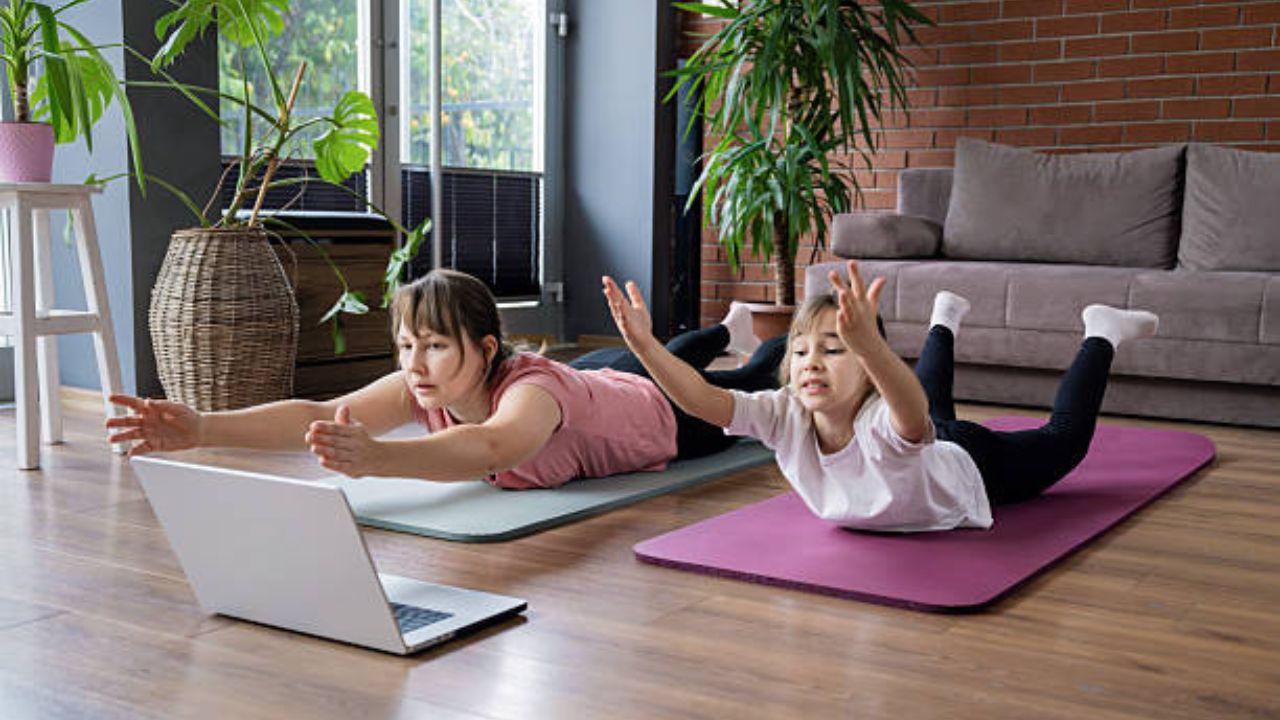
Gamified fitness works well because it speaks the language of children—fun. It combines physical activity with play, which makes it easier to create long-term healthy habits. Kids are more likely to keep moving when it feels like a game rather than a chore. This mix of technology and movement is helping to change how kids stay active in a digital world. Instead of replacing exercise, screens can now support it—with the right tools and approach.

Benefits of Gamifying Fitness for Children
Gamifying fitness does more than just make exercise fun—it supports physical, mental, and emotional development. When kids enjoy being active, they’re more likely to build healthy habits that last.
Boosts Physical Activity Levels
Technology is Gamifying Fitness because many children don’t get enough daily movement. Gamified fitness helps solve this by making activity something they look forward to. Whether they are chasing virtual creatures or dancing to earn points, these games turn exercise into play. As a result, kids move more naturally without needing a push.
Encourages Healthy Habits Early
Technology is Gamifying Fitness by making fitness a part of daily life, so kids are more likely to stick with it as they grow. Gamified tools make exercise feel rewarding, helping children form positive routines. Over time, these small habits lead to better health and increased confidence.
Promotes Cognitive and Social Skills
Many fitness games include tasks that boost memory, coordination, and problem-solving. Some are designed for group play, which encourages teamwork and communication. These experiences help kids build skills that go beyond physical health.
By combining movement with fun, gamified fitness supports both body and mind. It’s a smart way to help kids grow stronger, stay active, and enjoy being healthy.

Popular Tech and Apps That Gamify Fitness for Kids
Many apps and devices today are designed to keep kids active in a fun and engaging way. These tools use games, challenges, and rewards to turn exercise into an exciting part of everyday life.
Fitness Apps for Kids
Several mobile apps help kids get moving through playful activities.
- Pokémon GO: This popular app encourages walking and exploring outdoors by letting kids catch virtual creatures in the real world.
- GoNoodle: Designed for younger children, it offers short movement videos, dance routines, and mindfulness activities.
- Zombies, Run! Kids: A playful running game where kids complete missions to escape zombies, encouraging jogging or walking in a story-based format.
These apps turn exercise into something children look forward to, rather than something they avoid.
Wearable Devices for Kids
Wearable fitness trackers can motivate children by helping them track their activity.
- Garmin vívofit jr.: Tracks steps, sleep, and activity time. It includes chores and reward systems that parents can customize.
- Fitbit Ace: Designed for kids, it tracks movement and offers badges and challenges to keep them active throughout the day.
These devices give kids a sense of progress and achievement, which boosts their interest in staying active.
Augmented Reality and VR Fitness Games
Some fitness games use advanced technology to create an immersive experience.
- Ring Fit Adventure (Nintendo Switch): Combines physical movement with gaming as kids complete workouts to defeat enemies.
- AR Scavenger Hunts: Apps that use augmented reality to encourage walking, exploring, and solving clues outdoors.
These tools make fitness feel like an adventure, helping children stay engaged while getting exercise.
By choosing age-appropriate tech, parents and educators can turn daily movement into an exciting part of a child’s routine.

How Parents and Educators Can Encourage Gamified Fitness
Technology can support kids’ health, but it works best with the right guidance. Parents and teachers play a key role in helping children use fitness tech in a positive and balanced way.
Set Up Tech-Based Challenges
Create simple weekly or daily goals using fitness apps or wearables. For example, set a step goal, track completed dance routines, or join a family challenge. Kids love competition, and friendly games can keep them motivated. You can also reward progress with non-digital prizes like a fun outing, extra playtime, or a favorite meal. This helps connect movement with positive feelings.
Use Parental Controls and Time Limits
Even when fitness apps are involved, too much screen time is still a concern. Set time limits and choose apps that encourage physical activity over passive use. Many apps offer kid-friendly modes, filters, or allow adult supervision. Review privacy settings to make sure your child’s data stays safe and that the app doesn’t show inappropriate ads or content.
Integrate with School Programs
Teachers can include gamified fitness in the classroom or during physical education. Short movement breaks with apps like GoNoodle or using step-tracking contests can make school more active and fun. These activities support focus, reduce restlessness, and encourage a healthy school environment. By guiding kids in how they use fitness tech, adults can help turn screens into tools for wellness—not just entertainment.
Safety and Privacy Considerations
While gamified fitness can be a great way to keep kids active, it’s important to make sure the technology is safe, age-appropriate, and respectful of privacy. Parents and educators should take a few key steps to protect children while using these tools.
Choose Age-Appropriate Apps and Devices
Not all fitness apps or games are made for kids. Always check the age rating and read reviews before downloading. Look for content designed specifically for children, with simple instructions, friendly graphics, and no harmful or violent elements.
Manage Data and Permissions
Avoid Inappropriate Ads or In-App Purchases
Many free apps include ads or in-app purchases that may not be safe or suitable for kids. Choose ad-free versions when available, or use apps that are designed for children and follow advertising guidelines. Apps approved for family use often include safe ads or no ads at all, making them better choices for long-term use and also in line with Google AdSense content policies.
By keeping safety in mind, parents and teachers can allow children to enjoy the benefits of fitness tech while avoiding common risks. A few smart choices can go a long way in protecting young users.

Future Trends in Tech-Driven Kids’ Fitness
The world of fitness technology is always changing, and new trends are making it even easier—and more fun—for kids to stay active. These future developments will likely bring more personalized, interactive, and educational experiences.
Personalized Fitness with AI
Artificial intelligence is starting to shape how fitness apps work. Some new tools can adjust workouts based on a child’s age, fitness level, and progress. These smart systems help keep activities fun but challenging, which makes kids more likely to stick with them.
Learning and Fitness in One
Educational apps are starting to combine physical movement with learning. For example, kids might answer quiz questions by jumping or doing exercises to unlock new lessons. This mix of fitness and learning keeps both the body and brain active.
Mental Wellness with Movement
New apps are focusing on both physical health and emotional well-being. Features like breathing exercises, yoga for kids, and guided relaxation help children manage stress and feel calm—while still encouraging movement.
As these trends grow, kids’ fitness tech will likely become more creative, engaging, and helpful. With the right tools, children can enjoy healthier lives supported by smart and fun technology.
Conclusion
Technology is Gamifying Fitness and is often seen as a reason kids stay indoors, but it can also be a powerful tool to get them moving. When fitness turns into a game, children become more active, more engaged, and more likely to enjoy healthy habits from a young age.
By choosing the right apps and setting healthy limits, families and schools can smartly use technology. In the end, the goal is simple: helping kids grow up healthy, happy, and active—one fun step at a time.
FAQs
1. What is gamified fitness for kids?
Gamified fitness uses game-like features—such as points, levels, and rewards—to make physical activity fun for children. Moreover, it encourages kids to stay active through playful challenges, while also using interactive apps. Additionally, this approach motivates children, and therefore helps develop healthy habits.
2. Are fitness apps safe for children to use?
Many fitness apps designed for kids are safe, especially those with age-appropriate content and strong privacy settings. Parents should review the app’s privacy policy, turn off location tracking when possible, and avoid apps with in-app ads or purchases.
3. What are the best fitness apps for kids?
Some popular kid-friendly fitness apps include Pokémon GO, GoNoodle, and Zombies, Run! Kids. These apps make exercise fun through games, challenges, and movement-based activities.
4. Can fitness trackers help motivate kids?
Yes, wearable fitness trackers like Garmin vívofit jr. and Fitbit Ace can encourage kids to move more. They track steps and activity, offer rewards, and make fitness feel like a game.
5. How can parents limit screen time while using fitness tech?
Set daily time limits, choose apps that promote physical movement over passive use, and schedule tech-free time. Most apps and devices also offer parental controls to help manage usage safely.