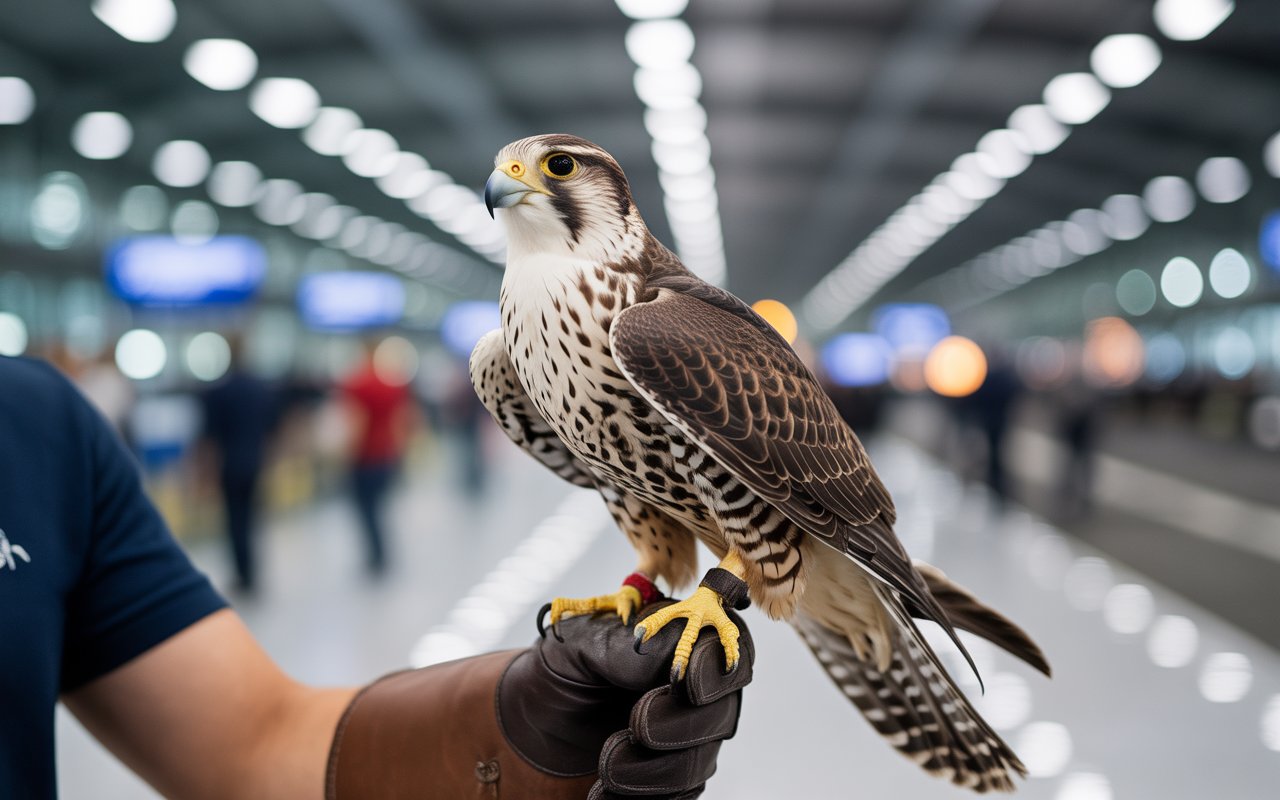
Falconry News 2026 highlights the latest updates, events, and trends in the ancient art of training birds of prey. This year, falconry continues to grow worldwide as a respected sport, cultural tradition, and conservation effort. From the deserts of the Middle East to forests in Europe and North America, falconers combine time-honored skills with modern technology to keep this practice alive. This article explores important news, major events, legal updates, and expert insights shaping falconry in 2026. Falconers are preserving this ancient art across the deserts of the Middle East, in the forests of Europe, and the open skies of North America. They keep birds of prey such as falcons, hawks, and eagles as sport and educational animals and as control over wildlife. Most of them also operate with conservation organizations to save endangered species and natural habitats.
Over the past few years, the world has become more aware of falconry via global contests, technological advances, and social media. Today’s practice of falconers is also being influenced by new laws and wildlife policies. The falconry news discussed in this article is that of 2026. You will hear of big events, world trends, conservation activities, and expert views. This guide contains handy up-to-date information, whether you are a falconer, a wildlife enthusiast, or simply wonder what birds of prey are all about.

Global Falconry Trends in 2026
Falconry is constantly developing in 2026. Falconers all over the world are combining old knowledge with new technology. Simultaneously, others do their best to preserve the strong cultural heritage of falconry. Here is a glimpse of the key trends that are influencing the falconry world today.
Revival of the Traditional Falconry Practices
Many countries are resurrecting old falconry techniques. Elsewhere, such as the United Arab Emirates, Mongolia, and Spain, traditional falconry is not only a sport. It is an element of nationality and cultural pride. Events and festivals showcase these traditions, allowing younger generations to learn about and honor them.
UNESCO has also had a large role. It has officially declared falconry to be an Intangible Cultural Heritage of Humanity. It is this support that has prompted more governments to support and conserve falconry as a national tradition.
Falconers in these areas continue to make hoods by hand, together with leather gloves and perches made of wood. They transmit skills within or between families or within local falconry schools. The aim is to maintain the relationship between human, bird, and nature.
Modern Technology
Falconry is becoming effective and less dangerous to the birds due to modern equipment. The concept of GPS tracking is now popular. Falconers place small tracking devices on their birds so that they can see them on screen as they fly. This makes it less likely to lose a bird when on long flights. Training is also incorporating drones. Other falconers use them to imitate prey or lead birds in open country. Other camera drones are used to capture hunts in research or learning activities. Apps and mobile platforms will assist falconers to record training information, locate veterinary assistance, and get in touch with other falconers across the globe. This equipment has enabled falconry to become more available ,particularly to new participants.
The combination of old and new will define falconry in 2026. Falconry is not only about prey; it also emphasizes competence, accountability, and expanding a global network of individuals passionate about birds of prey and their future. Falconry is constantly developing in 2026. Falconers all over the world are combining old knowledge with new technology. Simultaneously, others do their best to preserve the strong cultural heritage of falconry. Here is a glimpse of the key trends that are influencing the falconry world today.

Major Falconry Events and Competitions
Falconry events are now world events where tradition, sport, and innovation meet. By 2026, these events will no longer be a competition, but can be used to create community, exchange knowledge, and save. Below are two of the most significant falconry events of this year.
Abu Dhabi International Garden Exhibition (ADIHEX)
ADIHEX is the largest falconry exhibition in the world. This event takes place annually in Abu Dhabi and brings falconers, breeders, and wildlife experts from all over the world. It remains one of the major gathering spots for anyone interested in the area of falconry and other similar areas in 2026.
It has live falcon shows, demonstration training, and equipment on display at the exhibition. Sightseers are able to see the newest falcon hoods, GPS trackers, falcon perches, and even bird of prey food specialties. It also consists of educational speeches about the care of falcons, their breeding, and hunting ethics.
One of the aims of ADIHEX is sustainable hunting and wildlife conservation. It also highlights the role that falconers play in the preservation of bird species and preserving healthy ecosystems. The other advantage of the event would have been to combat the illicit trade of wildlife, and to raise awareness of responsible falconry operations.
International Festival of Falconry
The other major event is the International Festival of Falconry that brings falconers to over 80 countries. This festival is more cultural and education-oriented compared to ADIHEX. Participants wear traditional clothes and demonstrate ancient falconry equipment and hunting methods. It is one method of commemorating the rich history of falconry, Bedouin hunting in the desert, and medieval falcon tournaments.
The 2026 festival was, in fact, youth-oriented in regard to education and future conservation. Authorities and experienced falconers established workshops to teach young falconers about bird welfare, environmental protection, and legal and ethical conduct. It is understandable through these events that falconry is not a hobby. It is an international tradition. The rituals keep falconry alive and respected in the modern world, with the pride of culture, conservation, or sport in mind.

Falconry in Conservation and Wildlife Management
Falconry is more than tradition or sport; it has an increasingly important part to play in conservation and environmental management. By 2026, a large percentage of falconers will be engaged in close collaboration with scientists, wildlife agencies, and conservation groups. They work to save birds of prey, control ecosystems, and minimize human-wildlife interactions naturally.
Falcons in Pest and Wildlife Control
The use of trained birds of prey is now considered to be a natural response to pest control. Bird overpopulation or other small animals are issues at airports, farms, and city spaces. Many places have started to rely on hawks and falcons instead of chemicals or loud deterring methods. Trained falcons scare away bird flocks likely to damage airplane engines at airports. Falcons are used to defend crops in agriculture by scaring off pests such as pigeons or starlings. It is a good method, environmentally safe, and does not require dangerous tools or poisons.
Falconers also operate in the cities. Some cities have trained hawks that fly around stadiums, factories ,and landfills to reduce the number of pest birds without violence. The birds serve as a natural warnin,g and their appearance alone tends to drive unwanted animals away.
Role in Species Conservation
Endangered raptors have also been brought back by falconers. The Peregrine Falcon is one of the most successful ones that have been recovered. The use of pesticides almost led to the extinction of this species in some areas in the 1970s. Falconers, breeders, and conservationists collaborated and bred the healthy falcons in captivity and released them to the wild. Today, more or less the same attempts are made. The falconers mostly help in breeding, treatment and maintenance of the habitat of the rare birds. Such collaborations have seen several raptor species saved in the Middle East, Europ,e and North America.
Other falconers monitor the movements of birds and provide information to the researchers. Their intimate association with raptors provides them with useful information about the health, behavior, and environmental hazards associated with birds. This can help conservation teams make more effective decisions and protect wild populations in a more efficient way. Falconry is among the key elements of sustainable wildlife management by 2026. Falconers are demonstrating that old know-how does have a new place through practical activity and strong respect towards nature.
Regulatory Changes and Legal Developments
As a result of this increased popularity and importance of falconry, governments and international bodies are amending laws to assist in controlling the act. In 2026, authorities will enforce stricter rules on falconers to protect birds, wildlife, and ensure legal trade. These laws help balance tradition with responsibility.
CITES and Falconry in 2026
CITES (the Convention on International Trade in Endangered Species) remains a significant part of the falconry regulation. Under this international treaty are the falcons, particularly the Saker and Peregrine. Any international movement of such birds, be it to breed, to train, or to compete with them, must be permitted by law. In 2026, CITES came up with cleaner regulations on the transportation of falcons across borders. The purpose of these updates is to deter illegal commerce and to provide greater monitoring of ownership of birds. It is now mandatory that falconers license their birds to the professional authorities and also maintain health and ownership records. Most nations have also developed web-based mechanisms to handle such permits with ease. This will not only reduce the delays but also birds are handled legally and safely as they pass by.
National Policy Updates
A lot of nations have revised their domestic falconry regulations to international standards. In the United States, falconers must pass state and federal exams, undergo inspections, and record the care they provide to their birds. Similar systems exist in Canada, parts of Europe, and the UK. Falcon welfare programs have cost the UAE, Qatar, and Saudi Arabia a lot of money in the Middle East. They are official falcon hospitals, falcon passports for travelling, and breeding centres which adopt ethical standards. The idea is to save both the birds and the heritage of falconry.
Wildlife ethics are also the subject of new rules. Falconers must follow rules to prevent overhunting and protect native bird species. Authorities often restrict hunting seasons, and falconers report their activities to local officials in many areas. Such legal advances are intended not to limit falconry–they are intended to promote it. With these rules, falconers help to protect endangered species, healthy competition and can show the world that falconry may become a responsible sport in the modern world.

Expert Insights and Community Voices
Falconry is not merely something influenced by rules and traditions – it is influenced by people who live and breathe it daily. In 2026, they are sharing their knowledge and opinions with experienced falconers, breeders, trainers and even young enthusiasts. Their voices provide factual information on the way falconry is evolving and why it matters today.
Interviews with Leading Falconers
Most practicing falconers are of the view that education is the only thing that can make falconry survive. Some popular falconers have emphasized the importance of training young generations, insuring the welfare of the birds and engaging in ethical hunting in recent interviews. Some experts have observed that the number of young people in falconry clubs and training programs is increasing. These new entrants bring fresh ideas and a tech-savvy approach, while also learning to appreciate the rich heritage of the craft.
Another European falconer described that contemporary falconry has become a science, culture and art. Instead, he said, You are not flying a bird, you are creating a connection, you are maintaining an ecosystem, you are keeping a history. Middle Eastern falconers also told us of how falconry remains a part of their lives. In most Gulf countries, people consider falcons part of the family. Owners raise them at home, take them to the vet regularly, and even travel with them. These falconers do not only view their birds as hunters, but also as identity and honor.
Falconry Communities and Social Media Influence
The Internet has provided the falconers around the planet with an opportunity to communicate, educate and motivate each other. Falconry communities are expanding rapidly in 2026 on YouTube, Instagram, and Facebook. These forums enable falconers to exchange training information, equipment review videos, and videos of their birds in flight. Another way social media has worked is to dispel misconceptions and misunderstandings about falconry. Most content producers are currently exploring the issue of bird welfare, conservation and ethical training practices. Their posts are more likely to reach people who have never viewed a falcon and introduce the interest and value of the activity.
Falconers can also obtain information about legal changes, get help answering questions and resolve issues on online forums and private groups. This international network has opened up falconry and made it more collaborative than ever. The falconry community is better connected and informed in 2026. The voices of real falconers are keeping the art alive–and growing it–whether it be the voices of actual falconers online or the voices of video falconers

The Future of Falconry
Falconry has survived thousands of years, as it has been able to adapt. It has a problem and prospects in 2026. The training, keeping and flying of falcons change with the changing world. Falconry would be sustainable by the capacity of the community to balance tradition, technology and environmental responsibility.
Challenges Ahead
Climate change is one of the largest problems. Both wild and captive birds of prey are experiencing increased temperatures, habitat loss and prey population shifts. Falconers now need to be more aware of the environment in which they train or fly their birds. The other is social misconception. Falconry is still considered as outdated or cruel to animals by some people. This is mostly as a result of misinformation. Falconers are currently making more effort to inform the general population about responsible falconry, its beneficial effects on conservation and the treatment trained birds get.
In most countries, legal restrictions are on the rise as well. The policies are central to wildlife conservation but in other instances may lead to falconers struggling to use the land, disturb birds or educate other people about the practice. Continued communication between falconers and policymakers plays a key role in solving these issues.
Opportunities for Growth
Irrespective of these issues, there are also numerous opportunities to develop falconry. Education and youth training is one of the greatest possibilities. Falconry demonstrations and programs are now being provided at more schools, museums and nature centers. These activities expose youth to predatory birds, animal husbandry, and nature in an effective but practical manner. There is also an increase in falconry tourism. Tourists are now able to engage in falconry activities in destinations like the UAE, Morocco and Mongolia. In addition to the contribution to the local economy, the programs demonstrate the visitors the ancient traditions in a delicate and regulated setting.
The future will also be dominated by technology. Falconry is becoming more humane and efficient due to the emergence of new bird health monitoring tools, GPS trackers, and virtual trainers. The availability of falconry knowledge online learning programs are making more people know about falconry, even where there is an absence of face-to-face training. The future of falconry lies in the further development of the community, remaining devoted to the principles of the game: respect to nature, professional training and treatment of the birds. When upheld, not only will falconry exist, it will thrive.

Conclusion
Not only is falconry in 2026 a sport, but also a living tradition, which connects people, nature and culture throughout the world. Falconry is evolving while staying true to the ancient and revered methods of bird hunting, and it also embraces modern technology with the latest high-tech tools. This year’s falconry news highlights how global events, conservation efforts, legal changes, and community practices are shaping the future of this unique practice. Falconers are not just trainers and hunters nowadays, they are also educators, wildlife conservationists and cultural ambassadors.
Due to the growing interest in falconry via international festivals, social media, and tourism, responsibility is also required. According to Falconry News, the success and survival of the birds depends on protecting them, adhering to ethical principles, and providing correct information. Whether you are a newer or an ancient fan, Falconry News emphasizes that keeping up to date keeps the tradition alive. Falconry News shows that falconry is a sport that is constantly developing, and it is not yet clear what will become of the sport unless individuals are ready to care about it, and practice with professionalism, skills, and dignity. In fact, Falconry News highlights that following updates and trends ensures both the birds and the tradition thrive.
Frequently Asked Questions (FAQs) About Falconry
1. What is falconry and what is it like today?
Due to growing interest in falconry through festivals, social media, and tourism, responsibility is essential. According to Falconry News, protecting birds, following ethical principles, and sharing accurate information ensures their survival. Falconry News emphasizes that staying updated keeps the tradition alive. Falconry News also shows that falconry will thrive only if practiced with professionalism, skill, and dignity.
2. How can falconry be used to conserve wildlife?
Falconers contribute to conservation through breeding endangered species, the natural control of pests, and wildlife groups to monitor the numbers of birds in the wild and maintain habitats.
3. Are laws that govern falconry in place?
Yes. International and national laws on bird ownership, hunting seasons, and animal welfare help promote ethical and sustainable falconry.
4. Are there beginners to falconry and how do they begin?
Falconry beginners may be trained in licensed falconry schools, clubs or as part of a mentorship program. Training is about familiarity with the care of the bird, laws, and the trustful relationship with the bird.
5. How can we use technology in contemporary falconry?
GPS trackers, drones or mobile applications will enable the falconers to track the health of their birds, track their route and also enhance the training process of their birds and consequently, make falconry with the application of technology safer and more efficient in 2026.