
Introduction
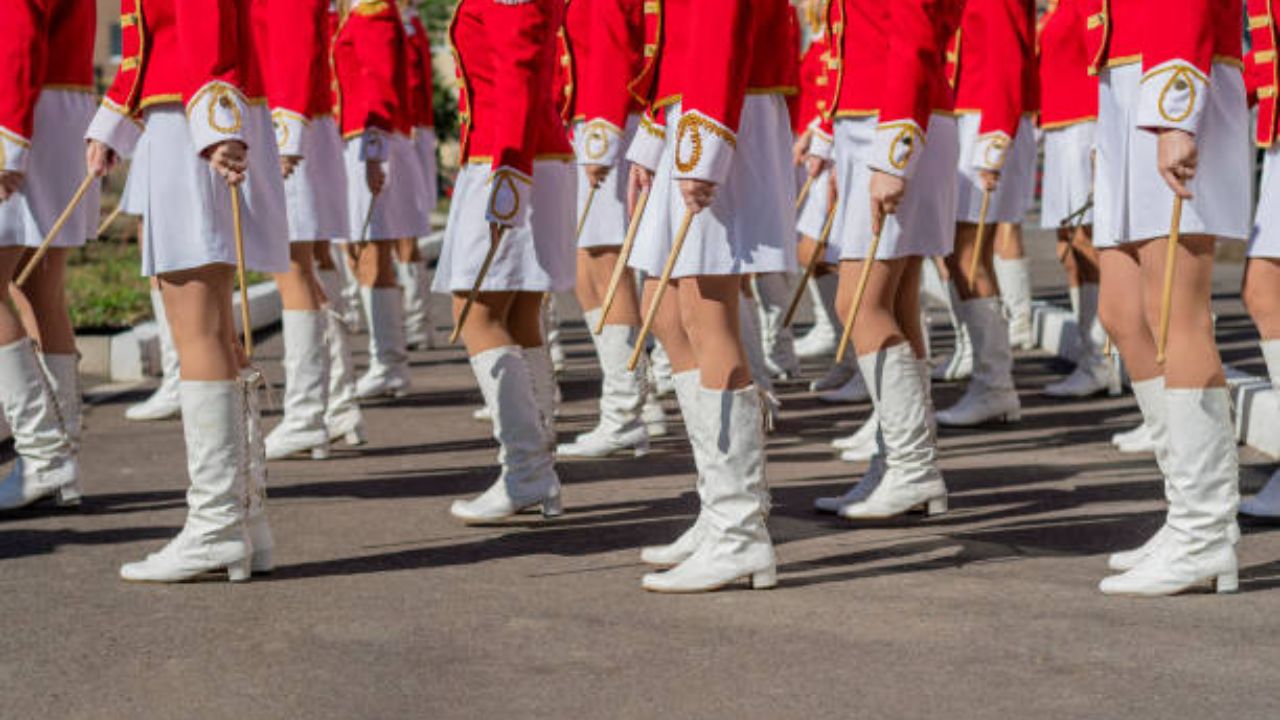
Colorguard is an artistic performance that combines music, movement, and visual storytelling on the field or stage. Specifically, it blends dance with the use of flags, rifles, and sabres to create routines that are both artistic and athletic. Today, most schools, colleges, and independent groups include colorguard in their marching band or indoor performance programs.
Moreover, colorguard has become a popular activity among students and performers who enjoy music, teamwork, and expressive movement. It provides a platform where creativity meets discipline. Through practice, performers learn to control their bodies, handle equipment skillfully, and perform in unison. This combination of technique and expression makes colorguard a unique part of the marching arts world.
In this article, you will find a clear and easy-to-understand guide explaining how colorguard works, its history, equipment, skills, and the benefits it offers. The purpose of this introduction is to assist those who are beginners, students, and all those who want to know what makes such an art form so special.
What Is Colorguard?
Colorguard- It is a performance with a combination of dance, flags, rifles and sabres to visualize the music. Marching bands are usually observed in school events, parades and competitions. The dancers dance to the music and form shapes, patterns, and drama which make the routine come alive.
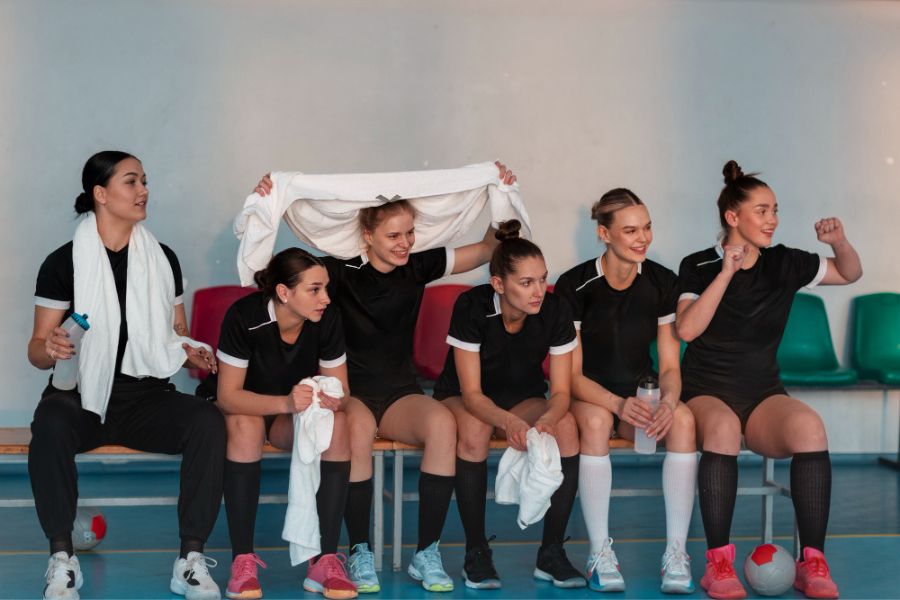
Colorguard performances are both outdoor and indoor. Outdoor concerts usually take place on a football field with a marching band. Indoor performances, called winter guard, focus more on dance and storytelling because performers use a smaller gym floor. These two forms emphasize rhythm, body control, timing and teamwork.
Colorguard accepts amateurs and professional artists. It is a mixture of easy steps and highly developed techniques and thus anyone can begin at their own speed and develop with time. This renders it a viable activity among students who desire to acquire something new and innovative.
A Brief History of Colorguard
Colorguard originated many years back when armies used flags to communicate in the course of marches. Gradually these flag movements evolved as mere signals to more expressive movements. The idea was then later adopted and turned into some kind of a performance in schools and marching bands.
In the 20th century, the marching band tradition in the United States began to expand to include colorguard. Dancers also included dancing steps, spinning and synchronized moves to make routines more artistic. This facilitated the presence of colorguard both in school and competition programs.
Today, people recognize colorguard as both a sport and an art. The formation of Winter Guard International (WGI) also enhanced its growth and popularity. WGI introduced indoor events, novel styles and contemporary choreography. Consequently, colorguard has been developing, and performers today share visual narratives with creativity and technique by using both movement and equipment.
Core Elements of a Colorguard Performance
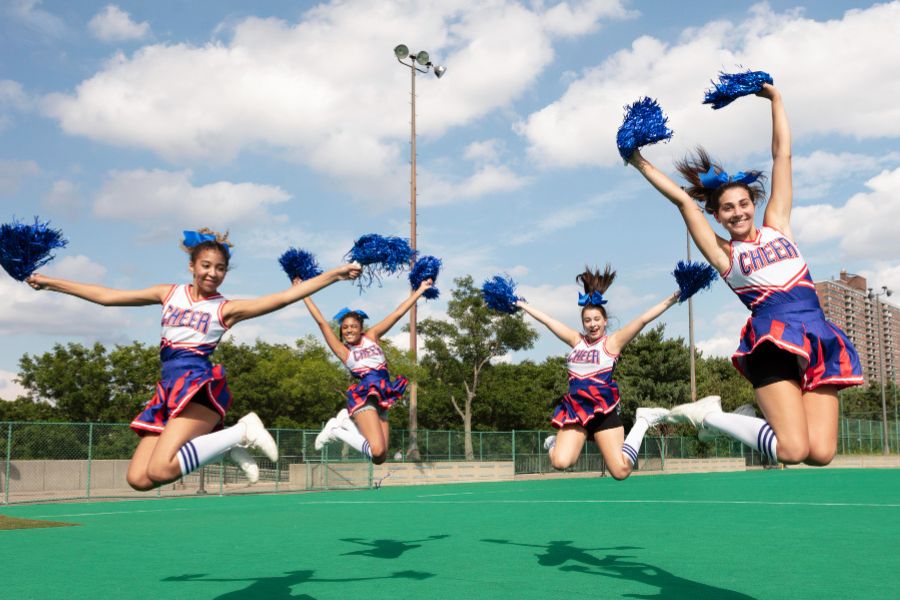
A colorguard show combines dancing, equipment use, and effective teamwork. Each routine is set to music, which creates a visual narrative. Together, these fundamentals help performers move with intention and stay in rhythm.
Dance and Movement
Any colorguard routine is based on dance. Dancers perform movements, turns, steps, jumps with their bodies in accordance with the music. The style typically is a combination of contemporary, jazz, and barefoot ballet. Balance, smooth movement and control are significant. Expressive and clean movements assist in making the routine look professional and clean.
Flag Work
The most usual equipment used in colorguard is flags. They contribute to a mix of color and motion to the performance. Fundamental flag work comprises spins, sweeps, tosses and catches. All the movements should be crisp and distinct to enable the viewers to observe the entire effect. Flags aid in the narration of the tale as they form patterns, shapes and flowing images on the field or floor.
Rifle and Sabre Techniques
Rifles and sabres add complexity and make the performance more exciting. These props require power, timing, and precise hand movements. Performers juggle, toss, and catch them skillfully. Rifles are heavy and bold with a solid appearance, while sabres have a sharp and stylish look. Furthermore, these advanced skills highlight the sportive side of colorguard and make the routine more dynamic.
Colorguard Equipment Explained
Colorguard has a recollection of tools that can assist in making robust visual effect in a performance. Every equipment has its purpose and provides an alternative appearance to the routine. It is easy to know how these tools operate and this will give beginners an opportunity to master the basics.
Flags
The primary equipment of colorguard is flags. They are not heavy and they are easy to carry, they also come in various colors and styles. A generic flag consists of a pole with a piece of cloth attached to it. The form and dimensions are used to make sweeping, sweeping movements which attract the audience. In examples, they tend to hold on to basic spins and throws, then proceed to the more elaborate tricks.
Rifles
Rifles can either be of wood or plastic. They are more cumbersome than flags and need further control. There are three primary components of a rifle including the butt, the body and the tip. Performers use spins, tosses, and catches to create strong visual effects. They handle rifles carefully, using proper grip and timing.
Sabres
Sabres resemble swords, but they are safe and designed for performance. Performers use them for quick spins and graceful, detailed movements. Therefore, strong wrist control and concentration are essential when handling sabres. They add dramatic and stylish touch to the routine since they travel fast in the air. Several actors acquire sabre once they have acquired confidence in using flags and rifles.
How Colorguard Competitions Work
Colorguard contests help determine a team’s performance in its routine. In each team, the performance involves dancing during the show, using equipment, and maintaining good collaboration. Moreover, judges rate the performance based on technique, creativity, and overall effect. Ultimately, the goal is to tell a clear visual story, stay on pace, and perform cleanly.
The rules are similar and differ in styles in both indoor and outdoor competitions. The colorguards march in a marching band in an open-air field. People also call winter guard indoor colorguard. Performers perform it in a gym, focusing more on dance and movement. The two settings are demanding particularity and practice.
Several factors are considered by judges such as timing, difficulty, equipment control, and cohesion of the team. They keep a watch too on the suitability of the routine to the music and theme. Good performance demonstrates assurance, integrity and effective communication among team members.
Training and Skills Needed in Colorguard
Coloringuard training assists the performers to develop muscle, coordination, and confidence. It is possible to begin with simple skills and be able to improve through practice. This is aimed at remaining active, acquiring proper technique and team work.
Physical Training
Colorguard requires excellent control of the body. To start with, basic exercises help build stamina, balance, and flexibility. Additionally, stretching enhances movement. Moreover, light strength training improves spins, lifts, and tosses. As a result, regular training allows performers to move freely and prevents injuries.
Technique Development
The secret to working easily with equipment and performing clean dances is technique. For example, performers practice spins, tosses, footwork, and body positions daily. Through these exercises, they develop muscle memory. As a result, technique makes routines appear sharp and controlled. It is also useful to make performers get ahead with the rest of the group.
Teamwork and Discipline
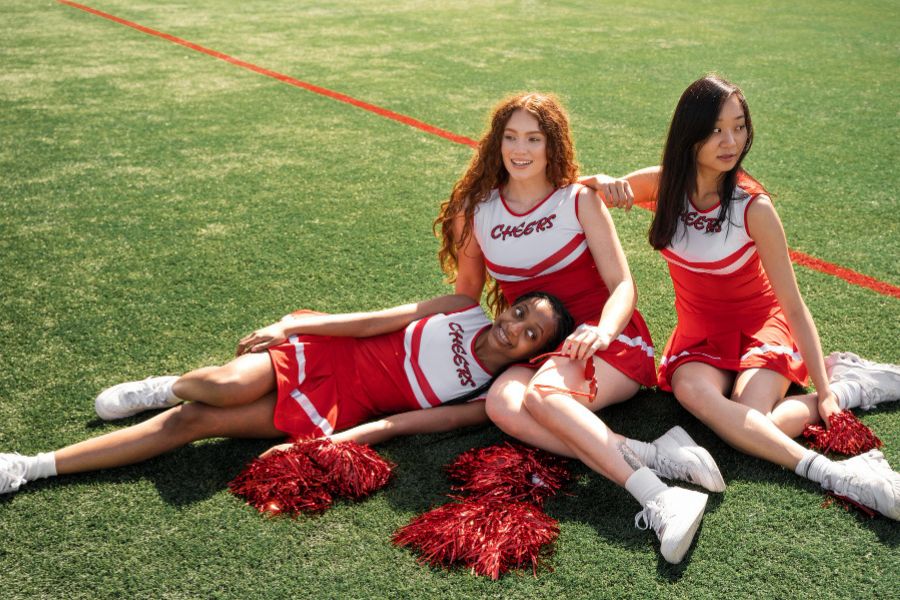
Colorguard is a group activity, therefore the problem of teamwork. Performers are taught to communicate, be conscious of their space, and move along with the group. The discipline will aid the team to remain focused when the practices and performances are long. A good team is a cohesive one and embraces everyone.
Benefits of Joining Colorguard
Colorguard has numerous advantages besides training in equipment. It assists students and performers to develop physically, mentally and socially.
- Improves Physical Fitness: Colorguard builds strength, flexibility, and endurance. Regular practice keeps the body active and healthy.
- Enhances Mental Focus: Learning routines and timing helps improve concentration and memory.
- Builds Teamwork and Leadership: Working with a team teaches cooperation, communication, and responsibility.
- Encourages Creative Expression: Performers can tell stories and show emotions through movement and equipment.
- Opportunities for Performance: Colorguard allows performers to showcase their skills in competitions, school events, and public shows.
Colored guard is a fun and rewarding activity which has these advantages. It assists performers to build on skills that can be applied at school, sports and in life.
Conclusion
Colorguard is the special kind of art which unites dance, music and equipment skills. It provides the means of creativity, as well as establishing physical strength, teamwork and discipline. Colorguard is not only entertaining but also fulfilling, whether it is first-time performers who are learning how to spin a flag, or elite colorguard performers who use rifles, sabres and so on.
Being either a student, a performer, or a person with interest in the marching arts, colorguard can help you to develop, perform and work with the team. This intriguing activity combines athleticism, rhythm, and visual storytelling, so it is enjoyable for anyone interested in music and movement.
By understanding the background, main components, practice, and benefits, anyone can fully appreciate what makes colorguard a unique and thrilling performance art.
Common Questions About Colorguard
Is colorguard hard?
Colorguard is not an easy task in the beginning, however simple movements and simple flag work are the first forms that the beginners start. Cultivation and experience allow the development of skills.
Are first year students allowed to be colorguard?
Yes, beginners are welcome. Typically, most teams start by teaching simple skills and then progress to more advanced techniques.
Have you any experience with either dance or sports?
None of the previous experience is needed. It only requires basic fitness and the desire to learn. Dance and sports experience can improve these skills, but anyone can get better with practice.
What are the starting equipment of beginners?
Novices normally start by working with flags. Then, as performers improve their skills, they start using rifles and sabres.
How often do teams practice?
Novices normally start by working with flags. Once they gain experience, they gradually start using rifles and sabres.