
Introduction
The role of technology in contemporary systems is its influence on the daily work of specific systems. There are numerous devices that operate quietly in the background, such as communication, as well as digital security frameworks. The tools are of higher significance in some instances. These are termed as critical technology elements. They contribute to essential services and assist systems to work safely and in a stable manner. They are important in numerous industries to ensure that their operations do not come to a halt.
There are critical technology factors that affect the services of healthcare, finance, transportation, and government. The effects of failure of such technologies are severe. This renders them crucial towards sustainable growth and stability. They also encourage innovation being able to assist organizations in managing data, securing information and enhancing efficiency. With the ever-growing digital systems, the need of a safe and reliable technology grows more significant. This paper explains these technologies in a clear and simple manner thus making everyone understand their role and importance.
What Are Critical Technology Elements?
Critical technology elements are key technologies that ensure the smooth operation of important systems. They prevent interruptions in digital and physical operations. Many industries rely on them, often without users even realizing their presence. These aspects encompass tools, systems, and components that are significant in regard to security, management of data and infrastructure. They are usually in favor of huge networks, superior computing systems and vital services. Due to their significance, any vulnerability or inability might cause critical issues.
In comparison with the ordinary tools, critical technologies are difficult to substitute. They need specialized knowledge, guarded protection and a long term planning. Their influence in the operations and security makes them strategic assets to governments and organizations. These technologies are increasingly useful as the world turns to a more digital world. Organizations use them to manage complex systems, secure confidential data, and drive innovation. Knowing them enables organizations and users to make better decisions regarding the use of technologies and safety.
Key Characteristics of Critical Technology Elements
There are a number of features common to critical technology elements. To begin with, they are strategically important. Most fundamental services cannot work without them. As a result, the absence of these technologies can cause systems to halt or become unsafe. Second, they boost industries concurrently. Moreover, healthcare, finance, transportation, and communication systems often rely on the same technology foundation. In addition, this wide application makes them more valuable and risky. Therefore, organizations carefully guard and manage these technologies to ensure stability and security.
Third, they cannot be substituted easily. These technologies involve high levels of knowledge, time and investment. Sometimes, expert professionals are required to create them, maintain, and defend them. Fourth, they deal with sensitive operations or data. This renders security to be one of the highest priorities. Trust, safety and performance can be influenced by any weakness. These features are the reason why critical technology aspects are central to current digital infrastructure.
Major Types of Critical Technology Elements
There are critical technology elements of numerous kinds. The two types support the key operations in various sectors. Some of the most critical categories are listed below.
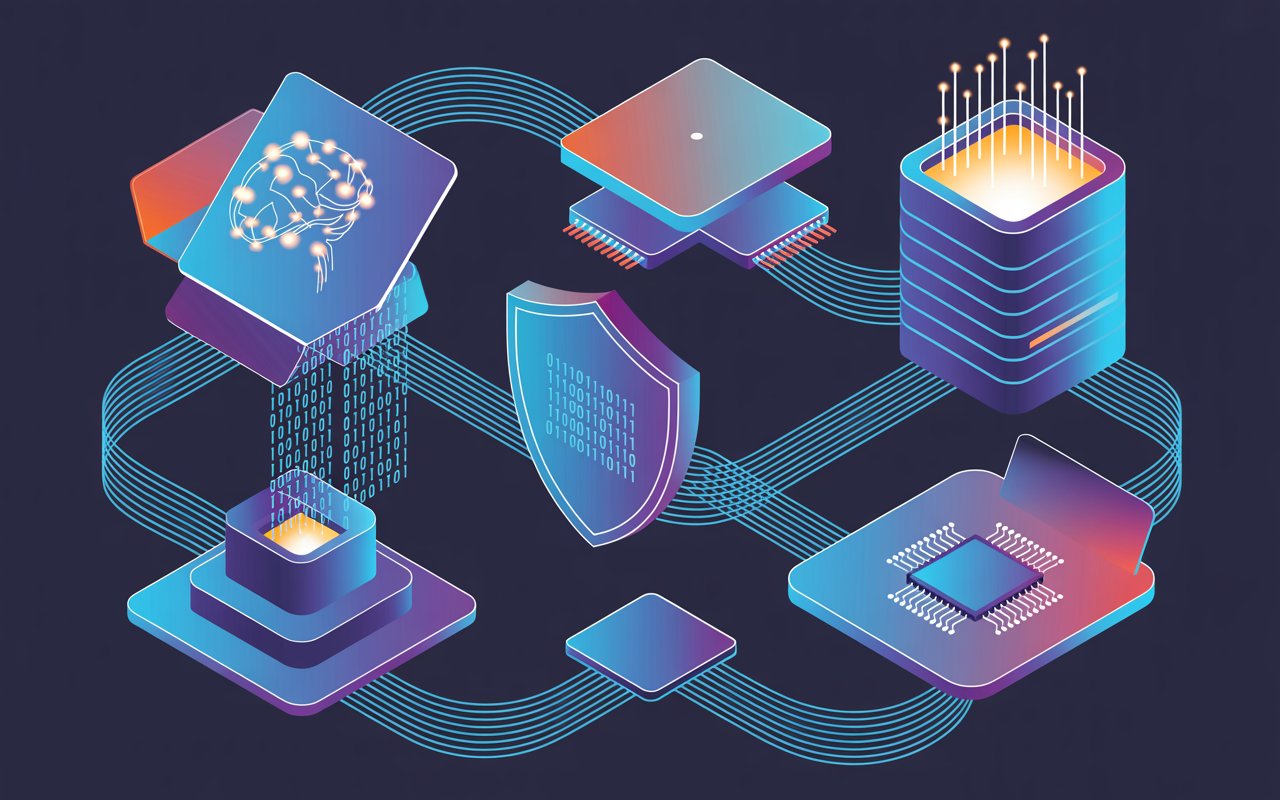
Artificial Intelligence and Machine Learning
Data analysis and decision making are assisted using AI. Machine learning enables systems to become better with time. These technologies aid in the automation, prediction, and pattern recognition.
Many industries use AI automation to increase efficiency and reduce errors. Healthcare systems employ it for diagnostics, while financial systems apply it in risk analysis. AI is considered a crucial technology element due to its extensive reach.
Semiconductor and Advanced Hardware Technologies
Semiconductors power the electronic devices that are currently in use. They have the basis of computers, mobile phones, and smart machines. The use of advanced hardware enables the systems to be able to process information much quicker and more effectively.
Creating these assets requires sophisticated skills. Any shortage or failure can disrupt global supply chains. That is why the semiconductor technology is essential in the infrastructure nowadays.
Cybersecurity and Data Protection Technologies
To protect systems against cyber threats, organizations use cybersecurity technologies. Specifically, these technologies protect networks, information, and applications. They also prevent unauthorized access through encryption and access controls.
As digital data continues to increase, security becomes increasingly significant. Indeed, a single violation could cause devastating losses in trust and money. Therefore, good cybersecurity measures are essential for maintaining stable online operations.
Communication and Network Technologies
Systems and users are linked by communication technologies. They endorse information exchange, web-based services, and e-teamwork. Dependable networks enable business and services provided by the state to run well.
These technologies should be fast, stable and secure. Any form of disruption may impact on huge populations. This renders the communication systems an important consideration in elements of critical technologies.
Real-World Applications of Critical Technology Elements
Indeed, crucial technology components play a vital role in everyday life, as they support healthcare, transport, and financial services. For example, they secure patient information and enhance diagnostics in the healthcare sector. Moreover, critical technologies control traffic, navigation, and logistics in transportation systems, making them efficient and safe. In addition, secure technology underpins banking infrastructure, enabling transactions and preventing fraud.
These technologies help governments and public service to control data, communication, and infrastructure, such as managing and responding to emergencies and maintaining public safety. Critical technologies also monitor energy and utility systems to track usage, prevent failures, and maintain continuous service. In all sectors, they enable activities to be carried out safely, efficiently, and reliably.
Why Critical Technology Elements Matter in the Modern World
The systems that people rely on in their daily lives are facilitated by critical technology factors. They contribute towards the smooth running of organizations and minimize failure chances. Most services would fail to be fast and safe or reliable without these technologies. Such technologies are sources of economic growth. They enable companies to be innovative, expand, and compete digitally. Good technology systems enhance efficiency and save on the expenses in the long run.
They also secure computer infrastructure. Safe and reliable systems aid in avoiding the loss of data and the failure of services. This security develops confidence between the users and organizations. The more societies are networking, the more the reliance on technology. This is managed by critical technology components. They make sure that systems are efficient, secure and prepared to meet future requirements.
Challenges Associated With Critical Technologies
Technologies that are critical have advantages but they come with challenges. They need to be handled through planning, expertise, and continuous supervision.
Security and Privacy Risks
Such technologies usually deal with sensitive information. This is because they are valuable targets of cyber threats. Poor security may cause theft of data and breakdown of the systems. The security of the system in organizations should be high. Constant updates and surveillance are used to minimize the risks.
Skill Gaps and Resource Limitations
Sophisticated technologies require competent experts. There is a problem of shortage of trained experts in many organizations. It is also costly in terms of development and maintenance. A low availability of resources may decrease the speed of adoption and add more points to the vulnerability of the system.
Ethical and Regulatory Concerns
There are technologies which are ethically questionable. Data usage, automation, and decision-making are systems that need to be handled responsibly. Rules assist in regulating abuse. To uphold trust, organizations have to adhere to legal and ethical norms.
Future Trends in Critical Technology Elements
As technology advances, critical technology elements continue to evolve. Consequently, innovation drives new tools and improved systems. In particular, artificial intelligence will play a larger role in decision-making, while cybersecurity frameworks will become stronger to address advanced threats. Additionally, infrastructure systems will focus more on resilience and reliability, and sustainability will also gain importance. Ultimately, organizations will aim to develop technologies that are efficient and secure over the long term.
How Organizations Can Manage and Protect Critical Technologies
Therefore, organizations must treat critical technologies as long-term assets. In addition, risk assessment helps identify weaknesses early, while regular audits improve system reliability. Furthermore, investing in skilled professionals strengthens system management, and training programs help teams adapt to new technologies. Moreover, secure infrastructure planning reduces downtime and security risks, and finally, clear policies support responsible and effective technology use.
Conclusion
Indeed, critical technology elements form the backbone of modern systems. Specifically, they support essential services, protect digital infrastructure, and drive innovation. Furthermore, their importance will continue to grow as technology advances.
Moreover, understanding these technologies helps organizations and users make informed decisions. With proper management and security, critical technology elements can thus support safe, reliable, and sustainable digital growth.
Frequently Asked Questions (FAQs)
Q: What are the essential technology factors?
Critical technology elements, which are vital technologies, support important systems and services. In particular, they manage major security, infrastructure, and digital operations effectively.
Q: What is the significance of important technology elements?
They assist systems to operate safely and efficiently. Moreover, numerous sectors rely on them not only to maintain stability, but also to protect their data and to support long-term growth.
Q: What are the most common industries that consume the critical technology elements?
The health sector, financial industry, transport, energy, and government are among the sectors that rely heavily on these technologies; in particular, they use them to manage key services and data, and additionally, to ensure security and efficiency.
Q: Do you mean that critical technologies are the same as emerging technologies?
Although new technologies are emerging and developing, critical technologies are already mandatory and widely used, and as a result, they have a considerable impact on system stability.
Q: What is the way organizations can secure vital elements of technology?
Organizations can secure them by implementing a high security level, through regular system updates, with highly qualified professionals, and by following clear policies on technology management.
1 thought on “Critical Technology Elements: Key Definition, Uses & Examples”