
Introduction
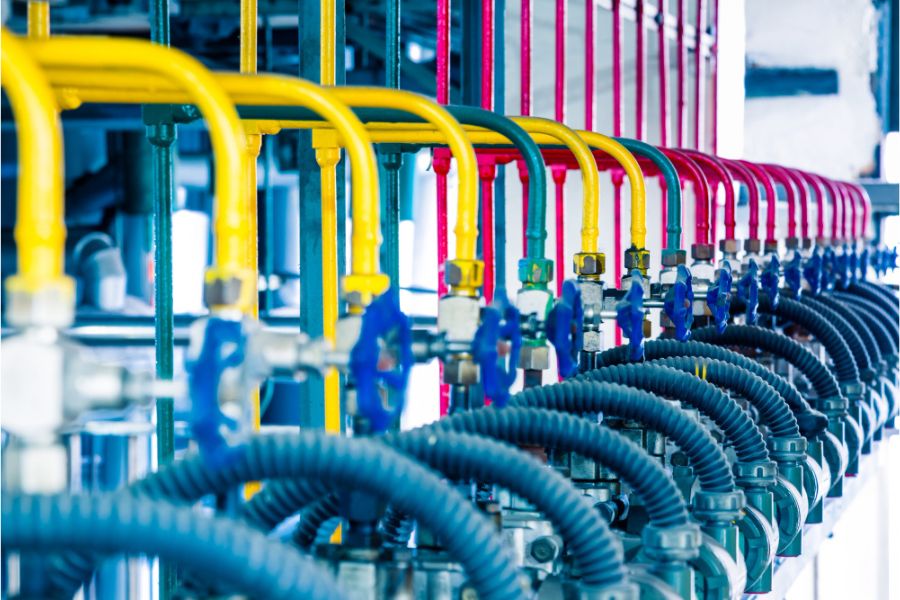
Many air-powered systems, therefore, require the use of pneumatic tubing. Specifically, it transfers compressed air from one section of a system to another. Moreover, it is these tubes that enable machines, tools, and other devices to work effectively. Without appropriate pneumatic tubing, air systems will inevitably lose pressure, leak, or even break down.
Pneumatic tubing is especially important in industries such as manufacturing, automotive, and medical. In addition, it finds application in assembly lines, air tools, and even food processing machines. By carefully selecting the appropriate tubing, you can not only enhance the performance of the system but also minimize maintenance problems. In this article, we will therefore discuss the various forms of pneumatic tubing, their key characteristics, applications, as well as selection and maintenance tips. With these essential fundamentals, you will then be able to confidently make quality decisions regarding your air system projects.
What is Pneumatic Tubing?
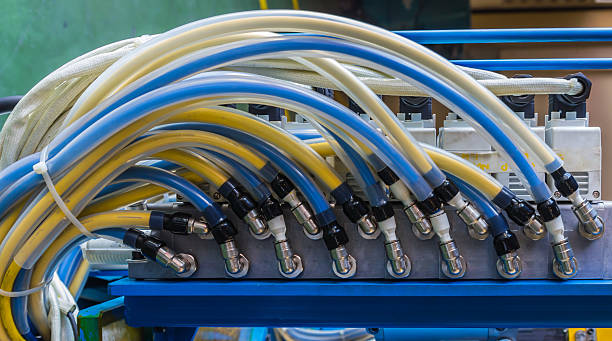
A pneumatic system is a pipe made of pneumatic tubing used to transport compressed air. It links other components, including valves, cylinders and air tools. The tubing makes the circulation of air a smooth and efficient process.
Pneumatic tubing can only carry air or gas as compared to hydraulic tubing that is used to carry liquid. This renders it less heavy and quicker to install. Pneumatic tubing is available in varied materials, sizes and pressure ratings. The correct selection of the tubing is significant with regard to the safety and performance of the system.
With the high quality tubing, it avoids leakages, wear and tear on the equipment, and ensures that machines maintain reliability. It is a very basic yet critical component of any pneumatic system.
Types of Pneumatic Tubing
There are various materials for pneumatic tubing. Each of the types possesses its peculiarities, advantages, and uses. By selecting proper tubing, you will be guaranteed that your system will perform and have a longer lifespan.
Polyurethane (PU) Tubing
Polyurethane tubing is light, it is elastic. It is effective in low and medium pressure systems. It can easily be bent around corners, and it does not kink. PU tubing finds application in automation and miniature machinery.
Nylon Tubing
Nylon tubing is resistant to chemicals and is strong. It is able to withstand pressure that is greater than PU tubing. It is best suited towards industrial and manufacturing installations. Nylon tubes are long-lasting and have good performance.
Polyethylene (PE) Tubing
Polyethylene tubing is cheap and resistant to corrosion. It is widely applied to pneumatic automation and to general air systems. PE tubing is readily cut and VIable and therefore useful in a wider range of applications.
PTFE (Teflon) Tubing
PTFE tubes are resistant to chemicals and extreme temperatures. It is employed in harsh environments where other tubing products can be ineffective. PTFE tubing is ideal when it comes to specialized equipment machinery and chemical processing.
Key Features to Consider When Selecting Pneumatic Tubing
Selecting appropriate pneumatic tubing is an essential element of efficiency and safety of systems.Consider the following key characteristics:
Diameter and Pressure Ratings
The tubing diameter influences airflow. The bigger tubes have a higher amount of air than they are and may be less flexible. Always do not forget to check the pressure rating. Do not use tubing that cannot handle system pressure, as it may cause leakage or failure.
Temperature Range
Certain tubing materials have the ability to endure high temperatures whereas others may become soft or fissile. Choose the tubing based on the temperature of your system.
Flexibility and Durability
Flexible tubing is more convenient to use in narrow areas. Durable tubing is more durable and wear resistant. Take into account the frequency at which the tubing can be transferred or twisted.
Chemical Resistance
When you are using oils, solvents, or chemicals with your system, you should select corrosion resistant tubing. This guarantees sustainability and security.
Ease of Installation
Certain tubing is simpler to cut and connect as compared to others. Fast and secure links minimize the installation and maintenance requirements.
With these features, it is possible to select the appropriate pneumatic tubing to use on your system. This enhances efficiency and minimizes loss of time.
Applications of Pneumatic Tubing
Many industries and systems that utilize compressed air to operate machines or tools use pneumatic tubing. It is also a versatile component that is required in both industrial as well as small-scale applications.
Industrial Automation
Pneumatic tubing is used in factories to connect actuators, cylinders and valves. It provides the idea of smooth working of assembly lines and robots.
Automotive Systems
Air brakes, pneumatic tools, and suspension systems have pneumatic tubes. They offer safe and effective air delivery.
Food and Beverage Machinery
Food processing machines use special tubing material, such as PTFE and polyethylene. They are resistant to corrosion and they keep the hygiene standards.
Medical Equipment
Technicians use pneumatic tubing in dental equipment, ventilators, and laboratories. It provides a high level of accuracy in the air flow where safety is essential.
With the knowledge of these applications, you will be able to observe the efficiency, reliability and performance enhancement of pneumatic tubing in various systems.
Installation and Maintenance Tips
Properly maintain and install pneumatic systems to ensure they run smoothly without problems. Here are some practical tips:
Correct Fitting Techniques
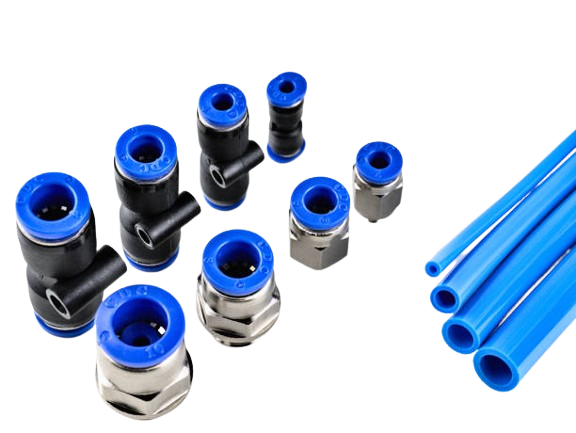
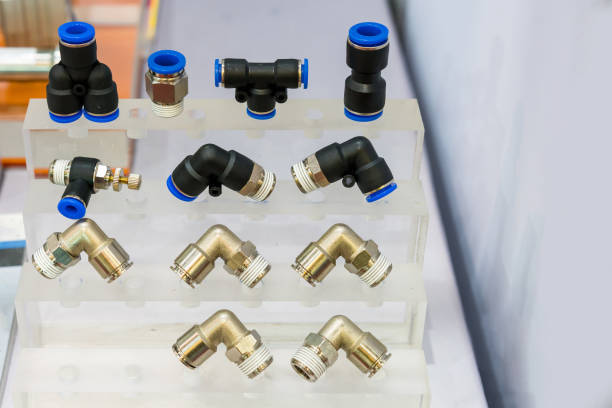
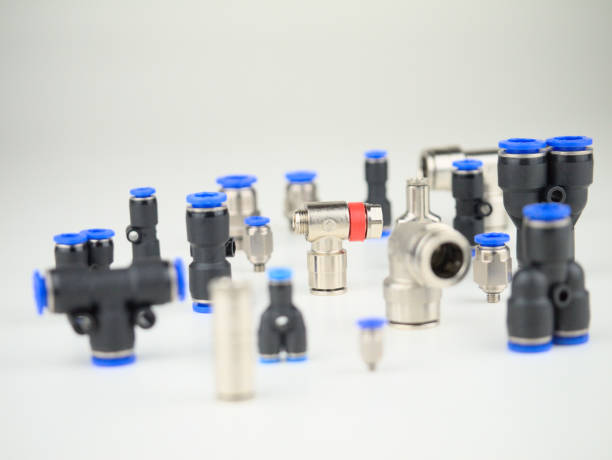
Always make sure that you use the correct connectors and fittings to your tubing. Secure connections eliminate air leakages and pressure in the system.
Avoiding Kinks and Bends
Do not bend tubing sharply. The kinks may either do away with the airflow or undermine the tubing. Apply smooth curves and supporting clips where necessary.
Regular Inspection
Periodically check the check tubing by looking at it in relation to cracks, leakage or wear. Early diagnosis eliminates system failures and expensive downtimes.
Replacement Intervals
Change tubes that are damaged, hard or chemically worn. Use of recommended intervals makes your system efficient.
Clean Air Supply
Keep the air clean by use of filters. Pollutants may ruin tubing and other attached equipment. “Following these tips ensures that your pneumatic system remains reliable and performs at its best.
Advantages of Using Pneumatic Tubing
Pneumatic tubing, therefore, offers several key advantages, which consequently makes it essential for use in numerous systems.
Lightweight and Cost-Effective
Pneumatic tubing is lightweight and, compared to metal pipes, also inexpensive. Consequently, it reduces both installation time and overall system costs.
Easy to Install and Maintain
Flexible tubes can, therefore, be easily cut, bent, and connected. In addition, they are easy to maintain, which ultimately saves time and effort.
Supports High-Speed Operations
Pneumatic tubing efficiently enables the movement of a large amount of air in a short time, which consequently results in the rapid movement of machines and ensures accurate operations.
Durable and Reliable
Good quality tubing, therefore, does not wear, and moreover, it resists chemicals as well as temperature changes. As a result, it provides sustainable performance.
Versatile Applications
Industries use pneumatic tubing as a highly versatile solution, including both automotive and medical device sectors. These are the benefits of using pneumatic tubing in any air-powered system.
Common Mistakes to Avoid
Misuse of pneumatic tubing may decrease the effectiveness of the system and lead to its failure. Avoid the following common errors:
Using the Wrong Material
Leaks and damages can occur because of choosing tubing which is not able to operate with the system pressure, temperature or even chemicals. Always ensure that tubing material is aligned to the requirements of the system.
Incorrect Fittings and Connections
Loose or incompatible fittings cause air leaks. Make sure that connectors are tight and they should also be tube-type.
Ignoring Maintenance
If you fail to check and replace damaged tubing, it may consequently lead to system downtimes and expensive repairs. Therefore, it is essential to maintain the tubing regularly.
Sharp Bends and Kinks
Excessively bending tubing will cause an obstruction of air and will also weaken the tube. To ensure proper function, the curves should always be smooth and, moreover, supported adequately.
Overlooking Air Quality
Contaminated or dirty air may ruin tubing and related equipment. Filter to ensure that there is clean air.
You can avoid these errors to ensure pneumatic systems operate safely and efficiently and last longer.
Conclusion
Pneumatic tubing is an important component of any system that is air powered. It guarantees a free airflow, efficient functionality and durability. Performance of the systems has to do with the selection of the suitable type of tubing with the various features such as diameter, pressure rating, flexibility, and chemical resistance.
You can easily avoid leaks and failures by correctly installing the tubing, performing routine repairs, and actively preventing common errors. Furthermore, industries ranging from manufacturing and automotive to medical and food processing use pneumatic tubing, making it an essential and highly versatile component.
Additionally, understanding the types, uses, and good practices of pneumatic tubing can help you confidently make a choice and effectively sustain your system for a safe and efficient run.
Frequently Asked Questions (FAQs)
1. Pneumatic Tubing vs Hoses: What’s the Difference?
Pneumatic tubing, on the other hand, tends to be rigid or semi-rigid with a smaller diameter, whereas pneumatic hoses are flexible, high-pressure, and heavy-duty. Consequently, technicians primarily use tubing to deliver precise air in systems.
2. How to Choose the Right Pneumatic Tubing for My System?
First, take into account important aspects such as the tubing material, its diameter, pressure rating, the range of temperatures, and chemical resistance. Then, by carefully matching these features to your system’s specific needs, you can effectively ensure both efficiency and safety.
3. Is it possible to apply pneumatic tubing to the outside world?
Yes, but it should be of material that is UV resistant and can resist change in temperature. Typically, technicians use polyurethane and nylon tubing for outdoor pneumatic systems because these materials are durable and reliable.
4. What is the lifetime of the pneumatic tubing?
Overall, the material, system pressure, temperature, and proper maintenance together determine the lifespan of the tubing. If you maintain quality tubing well, it can last for several years without leaking or rupturing.
5. How can you prevent pneumatic tubing leaks?
Always be aware of proper fittings; moreover, avoid using sharp turns, ensure connections are fixed correctly, and regularly check the tubing for any issues. The maintenance of air supply cleanness also prevents damages and leaks.