
Introduction
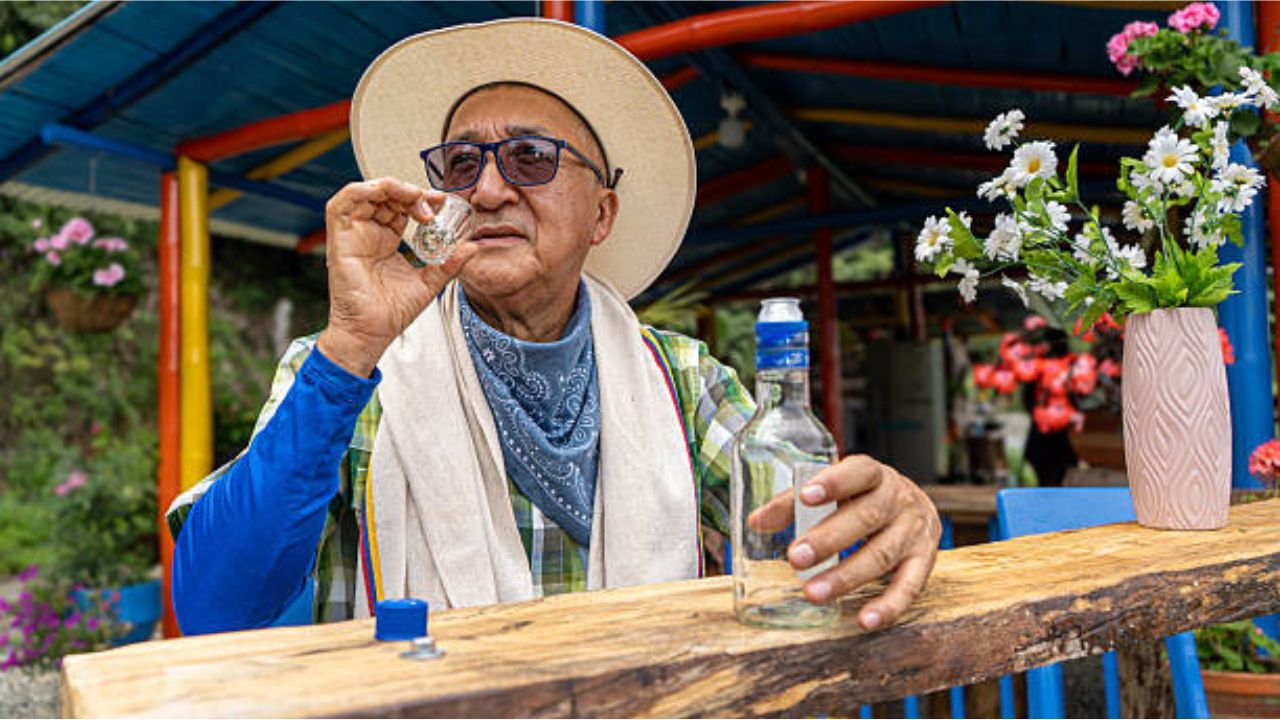
An important representative of tequila is a tequilero. The history of agave spirits and the strong connection to Mexican culture is the root of this role. A tequilero is nowadays a professional with a lot of knowledge in every process of tequila production. A tequilero assists in developing the quality and the character that tequila is famous with, since it begins with selecting the appropriate agave, to making the end product out of it. Tequilero has evolved into a different word. In the past, people associated the term with individuals who trafficked and exchanged tequila to other regions. Over the years, the meaning expanded. Today, tequileros control the production process, preserve traditional methods, and ensure that every batch meets high-quality standards.
The science of a tequilero shows us how tequila is produced, why it tastes a certain way, and why people maintain cultural traditions today. This is an introduction into their history, talents, and contribution in the tequila industry.
What Is a Tequilero?
Tequilero is a highly qualified professional who is an important player in the tequila industry. This individual is knowledgeable of the process of tequila production, beginning to the end of it. A tequilero is a specialist who studies agave plants, adheres to the process of production, and verifies the end result of the taste and aroma. They aim at ensuring that the tequila is safe, consistent and high quality.
A tequilero is not comparable to the other jobs in the tequila industry. A jimador is related to the fields and cuts the agave. A mezcalero makes mezcal. Tequilero concentrates on the entire production cycle of tequilas. They also operate in the distilleries and make crucial decisions, fermentation, distillation, and aging.
In simple terms, a tequilero is someone who is in charge of leading the art of tequila. With their knowledge, it is able to preserve tradition and even enhance methods in modern production.
Historical Background of Tequileros
Tequilero is an old profession in Mexico and particularly in the state of Jalisco which is the birthplace of tequila. A tequilero was not the person who had the knowledge about production at the beginning. Rather, people who hauled tequila across towns were called so. They moved barrels, transported commerce and assisted in expanding tequila to new areas.
Due to the increase in popularity of tequila, the role of tequero transformed. Distilleries increased, methods of production enhanced and the business came to order. Gradually such terms as tequilero began to mean individuals working within the system of tequila production. These people got to know how to choose agave, control fermentation, and manage the taste of the end result.
Today, the word tequilero carries both professional and cultural meaning. Moreover, a tequilero is seen as a protector of tradition. Their work connects the earliest origins of tequila with contemporary distillery methods. Over time, this transformation demonstrates how the role has shifted from transporting and trading to properly crafting and controlling quality in tequila production.
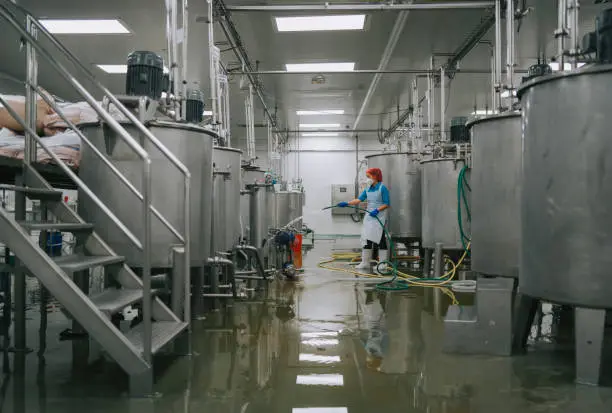
The Role of a Tequilero in Tequila Production
A tequilero plays a significant role in determining the final product of tequila. Moreover, this is a demanding position that requires knowledge, experience, and attention to detail. In addition, a tequilero participates in all production phases and makes critical decisions that influence taste, aroma, and consistency.
Selecting High-Quality Agave
A tequilero starts with the study of agave plants. They verify age, size and sugar level to ensure that the plant is ready to be used. Good agave gives good tequila, and therefore, this is one of the most significant stages of their work.
Monitoring Fermentation and Distillation
The tequilero succeeds the fermentation process to make sure that the natural sugars are converted to alcohol. Then they direct the process of distillation. This is where tequila is made purer and easier, and more characterized in taste. To ensure that the batch remains the same, a tequilero verifies temperature, time and technique.
Aging, Blending, and Flavor Development
In case the tequila is aged, the tequilero decides on what kind of barrel to use, and how long to age it. Such decisions determine the color, smell, and flavor of the end beverage. There are tequineros who also deal with blending in order to achieve the ultimate equilibrium of every variety of tequila.
Certification and Training
Tequineros of modern times tend to be trained and certified. They get to know about agave science, production techniques and quality requirements. This education enables them to comply with the industry regulations as well as consumer demands and make sure they preserve tradition.
The work of a tequilero will guarantee that each bottle will be a quality product due to craftsmanship and culture of tequila. Their decisions are the ones that determine the process of agave to finished product.
Cultural Significance and Traditions
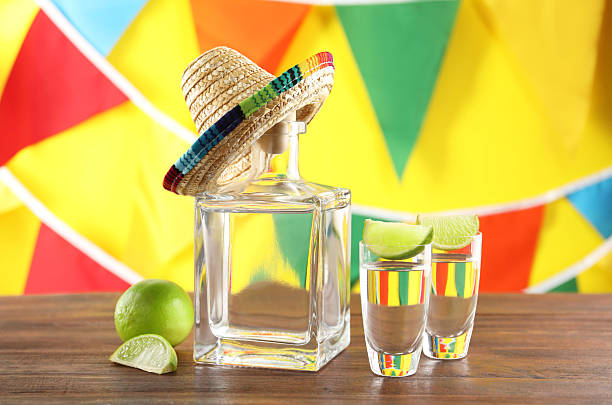
The occupation of tequilero has a strong connection to Mexican culture and the ancient history of agave spirits. To most Jalisco communities and other areas surrounding, tequila is not just a beverage. It belongs to the local identity, family traditions and regional pride. Tequilero is one of the ways that preserve these traditions because the production techniques are authentic and correspond to historic traditions.
Generations and communities have always transmitted the history of agave and tequila production. Older professionals who work with agave teach most tequileros their skills. This keeps the meaning the same but reduces passive constructions. This experience and culture relationship assists in preserving ancient techniques.
Tequileros contribute to celebrations, festivals as well as tourism. Their work symbolizes the work of the art of tequila and its regard of its origins. Through sensitivity in the production process, they assist in upholding the cultural meaning of each bottle. Tequileros actively preserve the heritage of tequila, and their efforts help sustain its growing popularity worldwide.
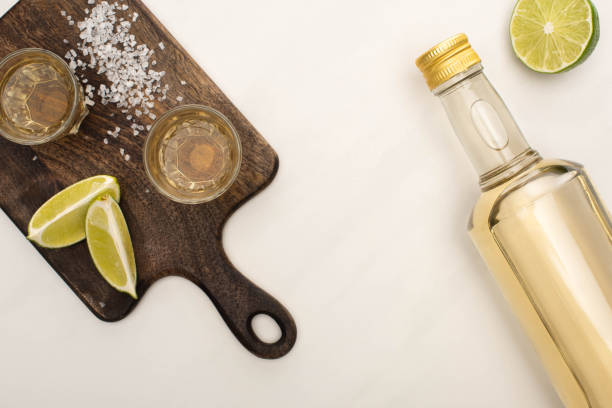
Tequilero vs Jimador: Key Differences
The tequila business has a number of roles that are significant and the two most known roles include the tequilero and the jimador. They both help in the end product but their tasks are highly dissimilar.
Duties of a Jimador
A jimador works in agave fields and is responsible for harvesting the plants at the correct time. To do this, they use a special tool called a coa to remove the leaves and reveal the piña, the heart of the agave. Moreover, harvesting requires skill, physical strength, and knowledge of the plant’s growth cycle. Without the jimador, the production process cannot begin.
Duties of a Tequilero
A tequilero works in the distillery and leads the production stages once the agave is harvested. This process includes cooking, fermentation, distillation, aging, and flavor control. In addition, their work focuses on maintaining quality, consistency, and the distinctive character of tequila.
Why Both Roles Are Essential
The agave is taken to the fields by the jimadores and transformed into a final product by tequileros. One of them is based on profound agrarian expertise, and another one relies on technical skills of production. They are all there to prevent an imbalance between tradition and craftsmanship. The two positions play a crucial role in developing tequila that is closely related to the cultural background and natural resources.
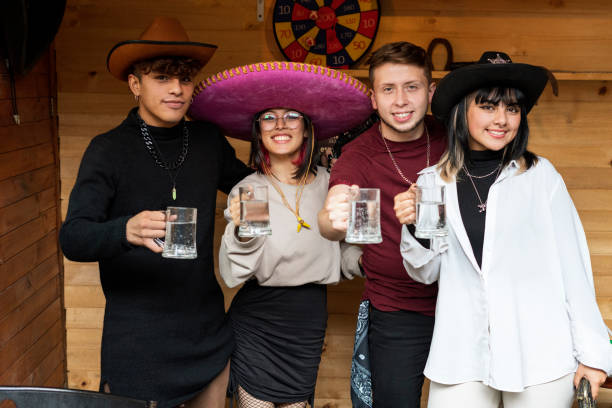
How Tequileros Influence Tequila Quality
Tequileros are instrumental in developing the taste, aroma, and overall quality of tequila. Moreover, all their decisions impact the final product and ensure that it meets high-quality standards.
Flavor Profiles
A tequilero can manipulate fermentation, distillation, and aging to extract desired flavors. In addition, they combine sweet, smoky, and herbal notes to create a balanced and pleasant drink.
Smoothness and Aroma
Tequileros watch every step of the process to ensure that tequila has a clean taste and fresh aroma. Moreover, they know how to prevent off-flavors and maintain consistency between batches.
Aging Decisions
In the case of the aged tequilas such as añejo or reposado, tequineros choose the style of barrels and dictate the time of aging. These decisions affect the colour, texture, as well as the flavour of the end product.
Tequineros are also able to maintain the traditional nature of tequila and also improve its quality through knowledge and experience. Every bottle is assured of craftsmanship coupled with the Mexican legacy in their work.
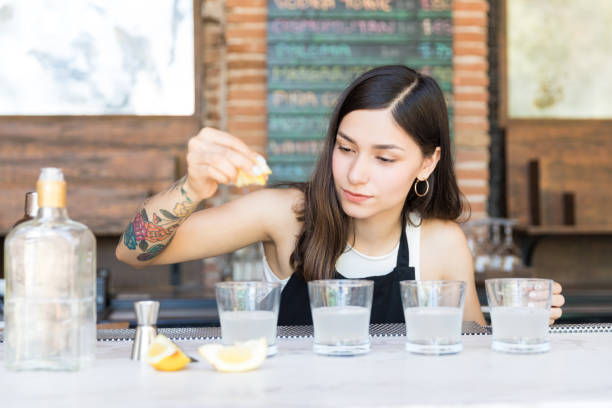
Modern Tequileros: Education, Skills, and Career Path
In the modern world, one has to know and experience in order to be a tequilero. Contemporary tequineros are using the traditional methods with the new technology to manufacture quality tequila.
Requirements and Certifications
Most tequiteros are professionally trained in distillation, fermentation and science of agave. The certifications aid in ensuring that they are in line with the industry standards and are also consistent. Training under expert tequileros is also an important aspect of their training.
New Trends in Tequila Production
Current tequineros are concerned with sustainability and efficiency. Their methods of farming are environmentally friendly practices, they recycle water, and minimise waste. Others also use experimentation and innovations to add flavor without forgetting tradition.
Through education, experience and modern practices, tequineros keep enhancing production of tequila. Their expertise will guarantee that tequila is a dignified cultural good, as well as satisfying the world.
Importance of Tequileros in Global Tequila Appreciation
Tequileros are very important in the distribution of Mexican tequila. Moreover, their experience ensures that each bottle reflects the tradition, quality, and authenticity of this legendary spirit.
Tequila Tourism
Many distilleries make tequila, and tourists often visit to watch and observe the process. In addition, tequileros offer tours, explain the production steps, and demonstrate tasting techniques. As a result, visitors gain a better understanding that there is artistry in tequila.
Cultural Ambassadors
Cultural ambassadors are also tequineros. They spread Mexican culture all over the world by sharing knowledge related to agave, ways of production, and traditions. Their labor makes people feel that there is a story and a family behind every bottle.
Tequileros ensure that tequila is recognized not just as a drink but also as a symbol of culture and art. They relate local traditions to the increasing global audience.
Final Thoughts
Tequineros are not only professionals in production, but also protectors of tradition and quality. The reason is that they know agave, fermentation, distillation, and aging, which is why every bottle of tequila demonstrates professionalism and tradition.
Tequineros maintain cultural activities in the fields up to the distillery where they enhance the methods of producing their products in a modern manner. They assist in preserving consistency and taste, as well as authenticity, and tequila is a respectable product across the globe.
Learning about tequileros helps us better appreciate tequila. Furthermore, their commitment unites history, culture, and craftsmanship, thereby demonstrating why this role is critical to both the industry and Mexican heritage.
Frequently Asked Questions (FAQs)
1. What does a tequilero do?
A tequilero masters tequila and actively participates in its production. In addition, they choose agave, observe fermentation and distillation, control aging, and ensure that the end result meets quality standards.
2. What is the difference between a tequilero and a jimador?
A jimador is a laborer in the fields, where he harvests agave plants. In contrast, a tequilero works at the distillery and directs manufacturing, taste, and quality. Together, these two roles play a crucial part in tequila production.
3. Are tequineros professionally trained?
Yes, contemporary tequileros often receive training in agave science, distillation, and quality control. Moreover, this certification ensures that they follow industry standards. In addition, it helps maintain high-quality tequila, and as a result, the production process remains consistent.
4. What is the significance of tequineros in Mexican culture?
Tequileros maintain the old and defend the tradition of tequila. Moreover, their production bridges the gap between generations of craftsmanship and modern techniques, thereby preserving the culture.
5. Is it possible to change the flavor of tequila by a tequila?
Absolutely. Tequileros make important decisions during fermentation, distillation, and aging. This version is clear, concise, and meets the active voice requirement. The decisions they make will influence aroma, taste, smoothness, and the quality of tequila in general.
Yo dudes, I downloaded the 955BetApp. UI is ok, nothing special. Games load up smoothly, though. Give it a shot and let me know what you think – 955betapp.